
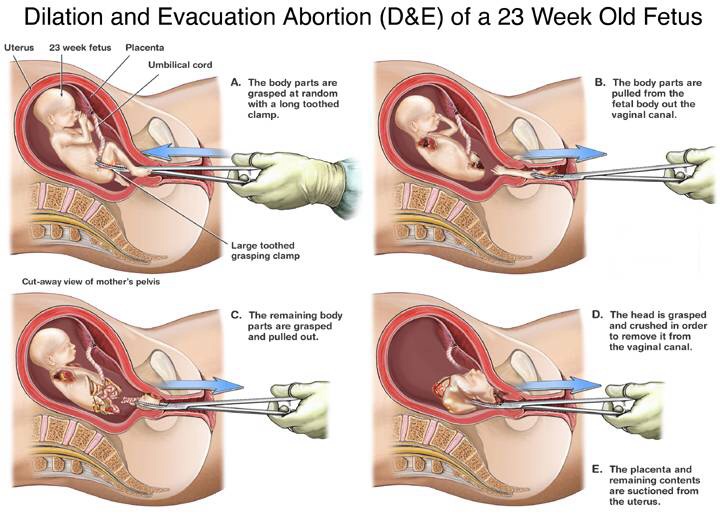
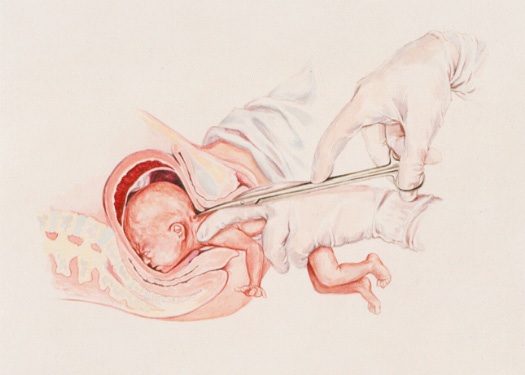
If you read Monday’s post, I would venture to guess that you are probably feeling several things, regardless of whether or not the information was new to you. Disgust, sadness, and anger are all very typical responses. Maybe some of those feelings are even directed at us, the ones who brought it up. Maybe you wish you had never heard the things we shared. Or maybe there are some of you out there who consider yourselves pro-choice and don’t really know how to react, because even though you don’t like the idea of abortion, you don’t want to judge others. And given the statistics, chances are you know someone, even multiple women, who have had abortions. Before we go on to share more information, we need to stop, breathe, and think about this important question. How do we respond to something that is at once horrific and so close to home?
The first place to look in a dilemma should always be the end: what is the end goal, and how do we realistically reach it? In this case, the end goal for all in the pro-life camp and even many (I believe) in the pro-choice one is the end of abortion. Let’s consider that thought for a moment. If I am right, and both camps want abortion to stop, then the vast majority of Americans have the same end goal, and our means for reaching it change drastically. We are no longer mortal enemies but regular people with different viewpoints. Now, I want to be clear that there are people who are pro-abortion. But with the “pro-choice” label, the distinction has been muddied, and we must take that into consideration as we interact with each other.
If the end goal is actually to see abortion stop, and not merely to outlaw or stigmatize it, then the manner in which we implement change is steeped with significance. We can change laws by yelling and screaming, but a person will never respond positively to that kind of abuse. So, let’s think deeply, remembering the fact that all people are multi-dimensional, and let’s take a look at some very basic guidelines.
The “Don’ts”
1. The abortion issue is surrounded by hurt people. However frustrated or angry you may feel, please do not argue, yell, or react with violence. It is important to have conversations about abortion, but if the goal is to “destroy” the other person’s argument, it is done in order to win, not to influence. My mom tells a story of my dad’s mother, who one day when my parents were adults and already married, told her to be sure to use the bathroom before they left the house. My mom says now, “I wouldn’t have gone even if I had to go!” Belittling and embarrassing people doesn’t allow for change; rather, it traps them into holding even more tightly to their beliefs, regardless of accuracy, just so that they don’t have to concede to you. As for violence, I wish it wasn’t a topic we even needed to mention; however, to date, at least eight abortion industry workers have been murdered in the United States. Abortion is not a person, and it cannot be killed like one. Violence cannot stop violence; it can only introduce a new kind. These things, dear reader, I believe you already know.
2. Stay far from shame and blame. There may be deception and misinformation, but there are also a whole lot of people with the best of intentions and good hearts. Abby Johnson is one example of a person who believed that she was really helping woman by working for the nation’s largest abortion provider and fighting for abortion rights. I would guess that the majority of people involved in the debate care a lot about women! As for the women themselves, shame only heaps on them more pressure to hide, when they could even be leading others out of abortion, were they treated with kindness. Be aware of the power that comes from giving others the benefit of the doubt.
3. Even though abortion is a heated issue, resist the temptation to do nothing. Yes, there is tension, and yes, there are people out there doing things that will make you look bad simply for “choosing sides.” But there are also millions of babies who’s lives depend on us doing real, productive things to end this crisis. Depending on your circumstance, the way in which you get involved will look different than that of other people, but please take a few moments to think and perhaps jot down the answers to these three questions:
-What skills or resources do I have?
-If I were in the middle of a crisis pregnancy (abusive relationship, poverty, full time school or job, rape, incest, etc.), what would I need in order to choose life for my child
-Where do the first two questions intersect?
Of course, many organizations provide ways for anyone to be involved in ending abortion, but by starting with what we have, we become focused and grounded in our cause. Your uniqueness is what makes you indispensable.
The “Dos”
1. Listen. Listen to friends and family, to post-abortive and pre-abortive women, to the pro-choice and pro-life, to research and news and blogs. Listen to the abortion survivor and the abortion doctor. Recognize the humanity in each one. Slow down and really hear what is said. If you have a friend who has been through an abortion, listen to her story. Be sensitive, and give her space to speak and work through emotions and thoughts. If she gives you permission, help her find support beyond you. By taking time to listen quietly, we have a chance to weed out our unintelligent speech as we familiarize ourselves with all angles of the issue.
2. Get to work, doing things that help reach the end goal. Take a moment to look back at the questions you answered. Research the pregnancy resource centers in your area, look into support groups, get involved with one of the organizations we highlight at Eli Joshua Project, or start your own where you see gaps. You would be amazed at the variety of volunteer positions at just our own local pregnancy center. Find something that you feel made to do or even something that seems too easy. Often the smallest jobs encourage people more than we think.
3. In an ideal world, these three steps would happen in order; however, I am aware that we no longer reside in Eden, so we will just have to do our best. When you have seen the humanity of all sides, been exposed to the reality of abortion, and begun to work to enact change, it is time to speak. Notice that words come last. We will no doubt all have to recover from foot-in-mouth syndrome at one time or another, but as ambassadors for women and unborn babies, let’s do our best to temper our words. Inform kindly and respectfully, and speak as if everyone can hear you. Although it is tempting to let ourselves rant and roar when we find someone who agrees with us, we must remember that this battle is one that only ends when we lay down our swords.
The End
Do not lose hope, my friends, that abortion can end completely. There is a light at the end of this very dark tunnel. If you have not already, please join us as we pray and work toward that end.



 eli joshua project